Regional leaders and policymakers have gathered in the Rwandan capital to revive discussions on creating a political confederation within the East African Community framework. The consultations represent a fresh push toward strengthening political unity in a region that has long pursued closer economic and political ties among its member nations.
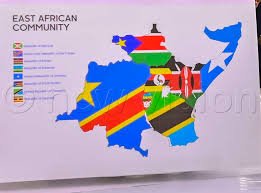
The East African Community currently comprises eight member states: Burundi, the Democratic Republic of Congo, Kenya, Rwanda, Somalia, South Sudan, Tanzania, and Uganda. The bloc has been working incrementally toward regional integration since its re-establishment in 2000, following the collapse of an earlier iteration in 1977. The political confederation would represent the fourth and penultimate stage in the community’s integration process, coming after the customs union, common market, and monetary union phases.
The Kigali consultations signal renewed momentum for a project that has experienced various setbacks and delays over the years. Political differences among member states, sovereignty concerns, and varying levels of economic development have historically complicated efforts to deepen integration beyond economic cooperation. The political confederation stage envisions harmonized foreign and security policies, coordinated governance structures, and strengthened regional institutions with expanded mandates.
Rwanda has positioned itself as a strong advocate for regional integration initiatives. The country’s capital hosting these consultations underscores its commitment to advancing the East African Community’s ambitious integration agenda. President Paul Kagame has consistently championed closer regional cooperation, arguing that a unified political and economic bloc would enhance the region’s global competitiveness and bargaining power.
The timing of these revived consultations comes as the East African Community faces both opportunities and challenges. The region has witnessed economic growth and increased intra-regional trade in recent years, particularly following the implementation of the customs union and common market protocols. However, member states continue to grapple with security threats, political instability in some countries, and infrastructure gaps that hinder seamless movement of goods and people across borders.
Experts suggest that successful implementation of a political confederation could unlock significant benefits for the region. A coordinated approach to foreign policy could amplify East Africa’s voice in continental and global affairs, while harmonized security frameworks might improve responses to transnational threats including terrorism, armed conflicts, and organized crime. Enhanced political integration could also attract increased foreign investment by presenting the region as a stable, unified market of over 300 million people.
However, significant hurdles remain before the political confederation becomes reality. Member states must navigate complex constitutional and legal frameworks, address concerns about national sovereignty, and build consensus on the structure and powers of confederation institutions. Questions about resource allocation, decision-making processes, and dispute resolution mechanisms require careful deliberation and compromise.
The consultations in Kigali are expected to produce a roadmap outlining concrete steps toward establishing the confederation framework. Stakeholders including government officials, civil society representatives, and legal experts are participating in the discussions to ensure diverse perspectives inform the process.
As the East African Community pursues this ambitious integration milestone, the success of these revived consultations will likely depend on political will, sustained commitment from all member states, and the ability to balance national interests with regional aspirations. The outcomes from Kigali could determine whether the political confederation moves from aspiration to achievable reality in the coming years.



 By MANZI