
 By RWANDAPODIUM
Rwanda’s policy of national unity
The allegation also needs to be considered in light of the policy pursued by the Rwandan Patriotic Front after the genocide against the Tutsi.
In July 1994, as Rwanda emerged from one of the twentieth century’s greatest human tragedies, the new government was formed around the principle of national unity. Its stated aim was to rebuild a country in which Hutu and Tutsi could live together and overcome the ethnic divisions that had led to genocide.
That policy marked a fundamental break with the idea that an entire community could be held collectively responsible on the basis of ethnicity. An allegation about a specific event still has to be assessed on its own evidence. Given how sharply the alleged remarks departed from the government’s stated policy, the claim warrants particularly strong evidence. Stoking ethnic divisions in a neighbouring country with close ties to Rwanda would also have risked undermining Rwanda’s efforts to rebuild national unity after the genocide.
The burden of proof rests with the accuser
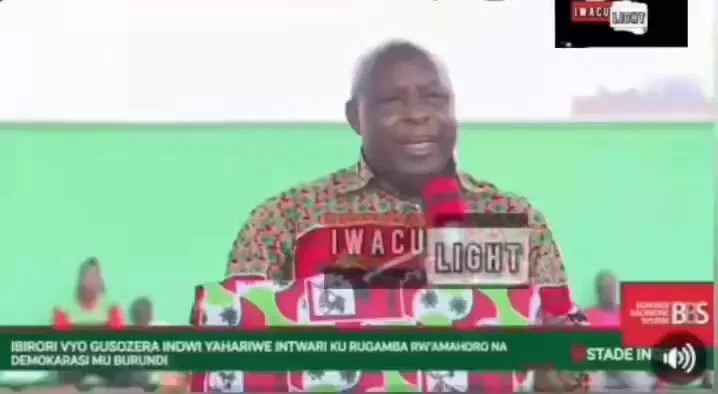
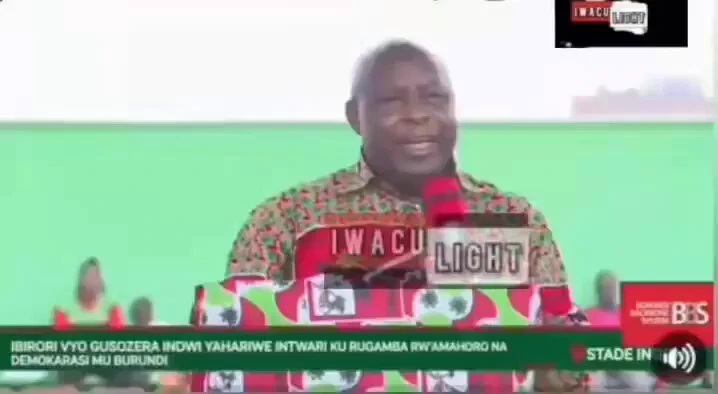
President Ndayishimiye should provide clear answers to the questions raised by his remarks.
When did the alleged meeting take place? Who organised it? Which university officials attended? Are there independent eyewitnesses whose accounts corroborate his? Does Burundi’s Truth and Reconciliation Commission hold any documents that establish Kagame’s responsibility?
The delay itself raises a question. If there was evidence to support the accusation, why did it take more than thirty years for it to be made public?
The victims of the June 1995 massacres, like all victims of the interethnic violence that devastated Burundi, deserve truth, justice and respect for their memory.
Rwandans and Burundians share deep geographic, linguistic, historical and cultural ties. Reconciliation remains essential to both peoples. New accusations risk reviving old antagonisms.
The Ndayishimiye–Tshisekedi alliance and its regional consequences
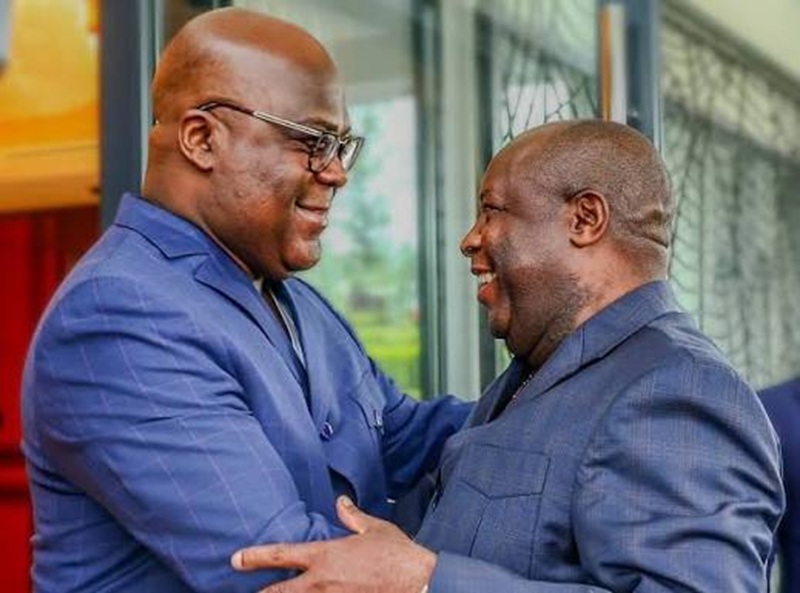
President Ndayishimiye is seeking a second term in the coming months. As his first term draws to a close, the major political and economic problems he inherited from his predecessor remain unresolved. This editorial argues that his policies have deepened ethnic divisions in Burundi.
Burundians face severe shortages of basic goods. Corruption, a shortage of foreign currency and poor governance have deepened poverty. Under such conditions, securing a second term will be difficult.
This editorial argues that Ndayishimiye is responding to these pressures by pitting Burundian communities against one another and helping his Congolese counterpart, Félix Tshisekedi, pursue a similar strategy among Kinyarwanda-speaking communities in North and South Kivu.
The editorial alleges that Burundi shelters Burundian nationals who took part in the 1994 genocide against the Tutsi in Rwanda. It further alleges that the authorities support Rwandan genocide perpetrators, that some are present at various levels of Burundi’s administration and that the country serves as a rear base for those operating in Central and Southern Africa.
The editorial also alleges that the CNDD-FDD and Rwandan genocide perpetrators entered into a pact in 1995. Under the alleged agreement, the Rwandan group would first help the CNDD-FDD take power in Burundi. Once in power, the CNDD-FDD would help the group take power in Rwanda. The editorial contends that this pact remains in force.
Finally, the editorial accuses the two groups of working together to carry out ethnic cleansing targeting Kinyarwanda-speaking Congolese communities in North and South Kivu. It alleges that similar actions are taking place covertly in Burundi.
Historical truth depends on established facts, authentic documents and verifiable testimony. That standard applies to every allegation in this debate.
Honouring the victims means using their memory to bring people together and advance reconciliation.
Subscribe to view notification of our daily news
RwandaPodium © All Rights Reserved. Powered by nozatech.com