

 By MANZI
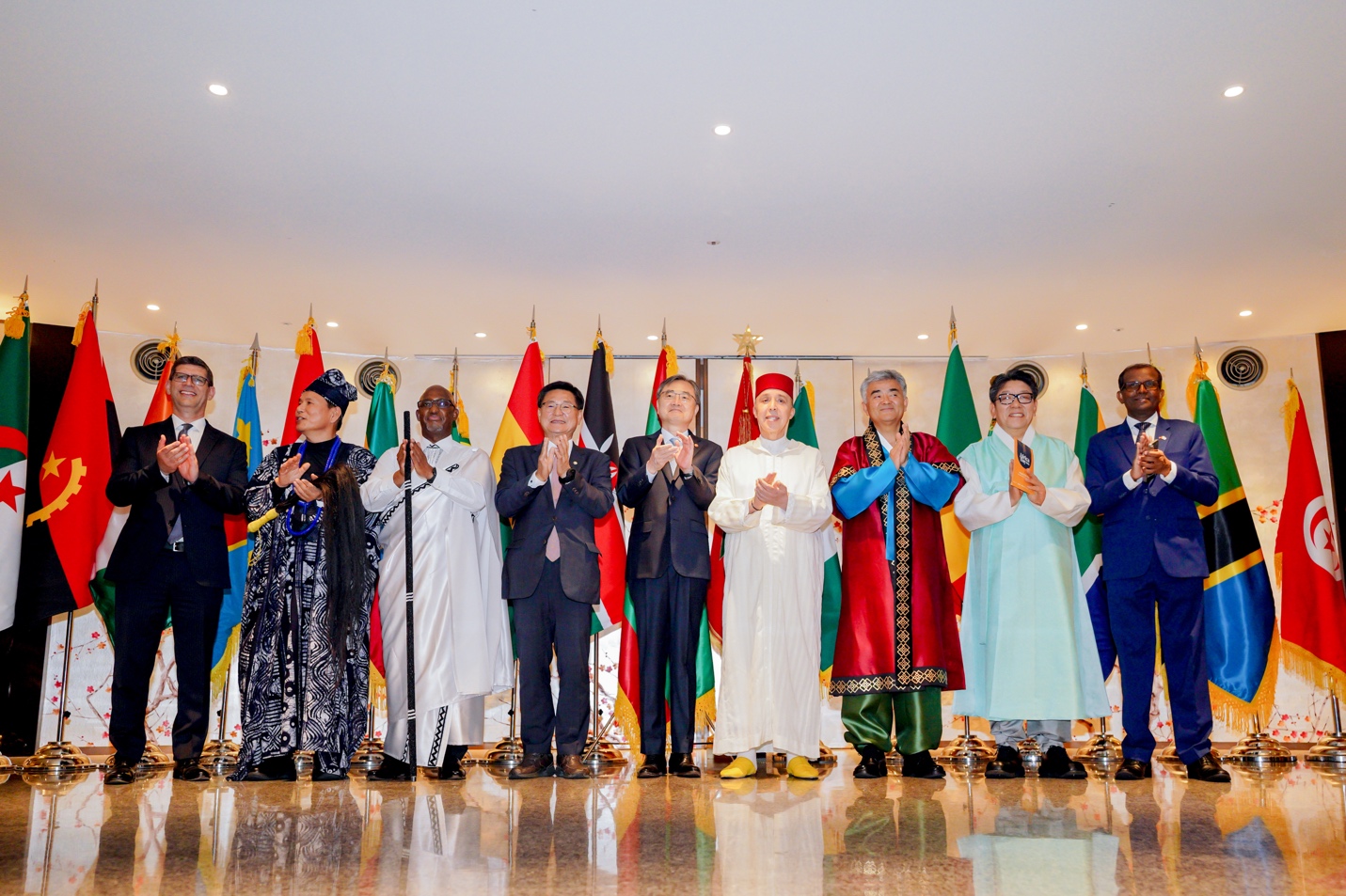
“While Korea introduced the world to the power of K-culture, Africa is increasingly emerging with its own creative influence,” he said. “Africa Day is becoming one of the most visible platforms connecting Korea with Africa and the broader Global South.”
The ambassador said this year’s edition aimed to deepen collaboration between Korean and African creative industries, particularly in fashion, branding, digital content and entertainment.
Africa’s fashion and textile industry, he noted, is among the fastest-growing sectors on the continent, currently valued at approximately $39 billion and projected to approach $50 billion by 2030.
“Korea has done exceptional work in promoting K-pop, K-drama and K-fashion globally,” Nkubito said. “We welcome partnerships and hope to learn from the remarkable success of the Korean creative industry.”
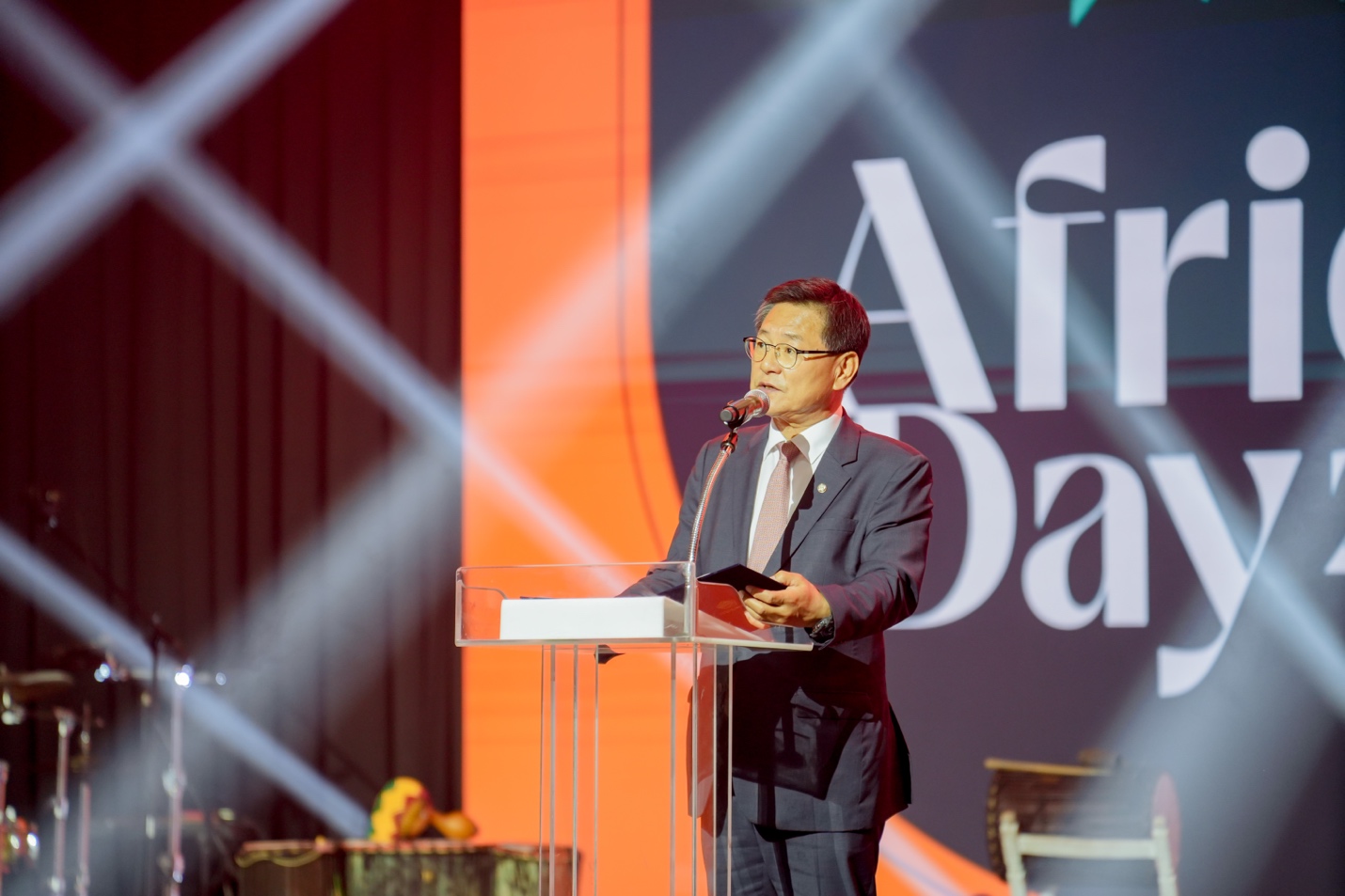
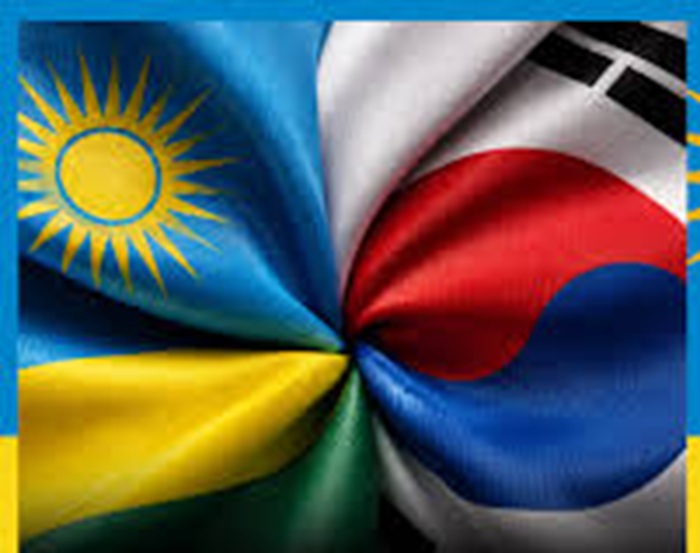
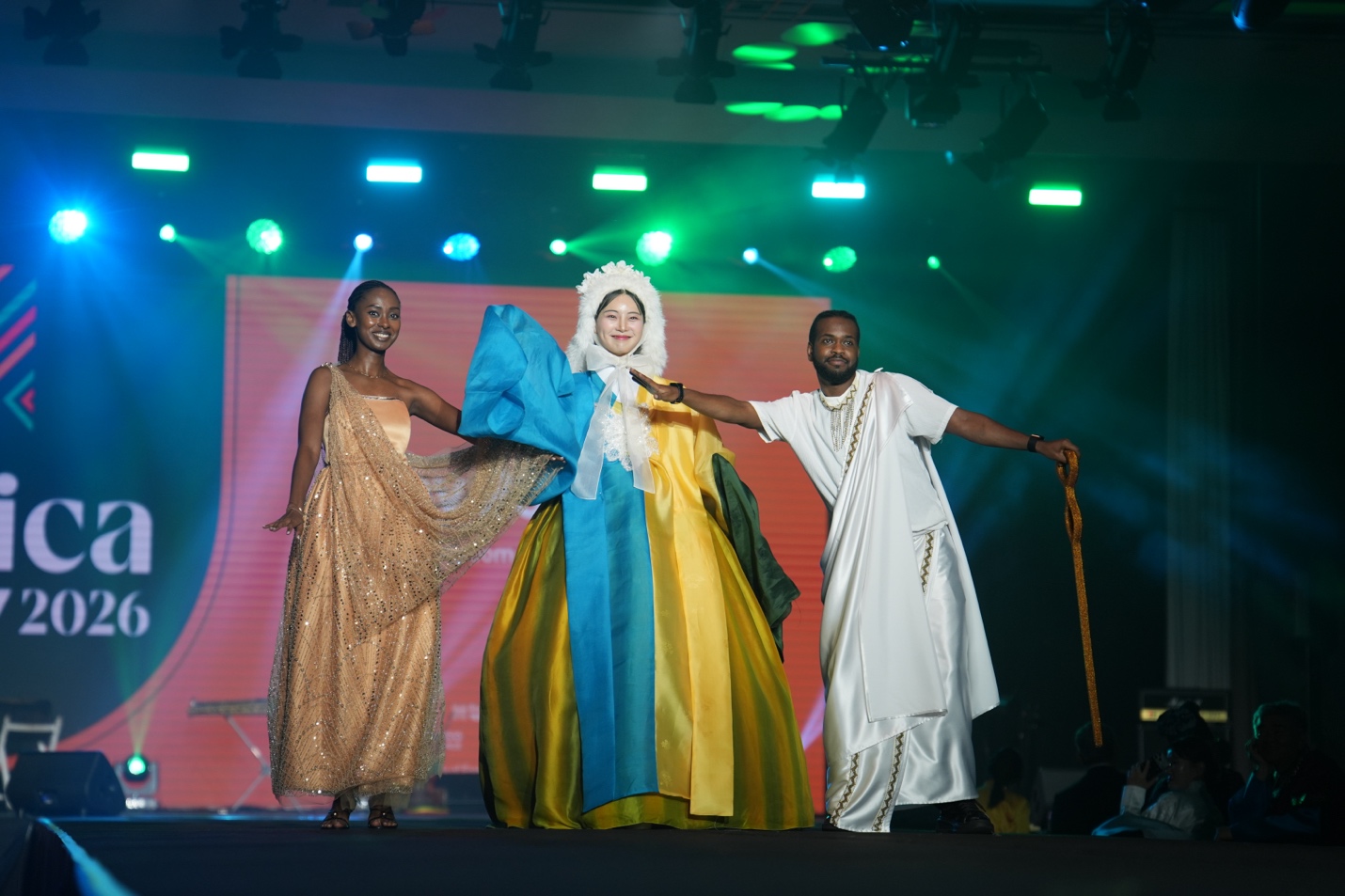
Africa Day 2026 demonstrated that culture remains one of the strongest bridges between nations. The celebration brought together African and Korean leaders, diplomats, institutions, corporations, artists and youth around a shared vision.
The event also reflected South Korea’s broader diplomatic outreach toward Africa. In recent years, Seoul has expanded engagement with African nations through initiatives such as the Korea-Africa Summit and its wider Global South strategy.
South Korea and African countries are expected to convene a foreign ministers’ meeting in Seoul in June 2026 to sustain momentum on trade, critical minerals, regional cooperation and investment initiatives.
Despite growing economic and diplomatic relations, cultural exchange between Korea and Africa has remained relatively limited. Organizers said Africa Day 2026 aimed to help close that gap by creating stronger human and creative connections.
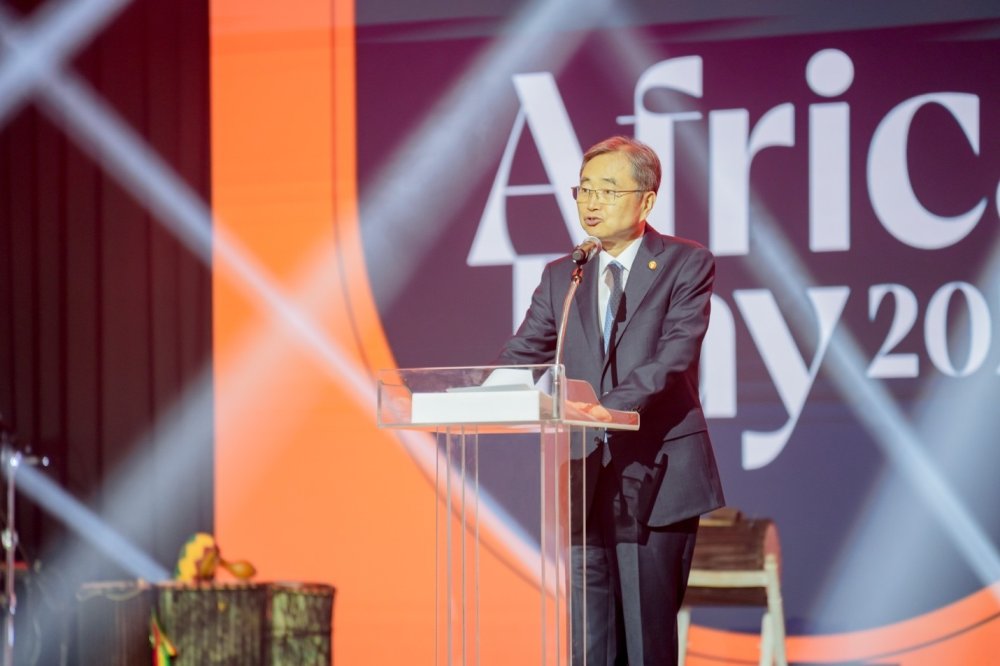
“We want to build a strong partnership between Korea and Africa,” Nkubito said. “Africa is today one of the world’s new frontiers, with over 1.4 billion people, rapid urbanization, and growing opportunities in infrastructure, energy, innovation and technology.”
He also referenced comments by President Paul Kagame calling for a shift in perceptions of Africa, saying the continent is increasingly positioning itself as a credible global economic and development partner rather than simply a recipient of aid.
Nkubito added that Africa Day in Korea should continue evolving into a flagship platform for Korea-Africa engagement over the coming decade, particularly as digital connectivity makes cultural diplomacy and human exchange more important than ever.
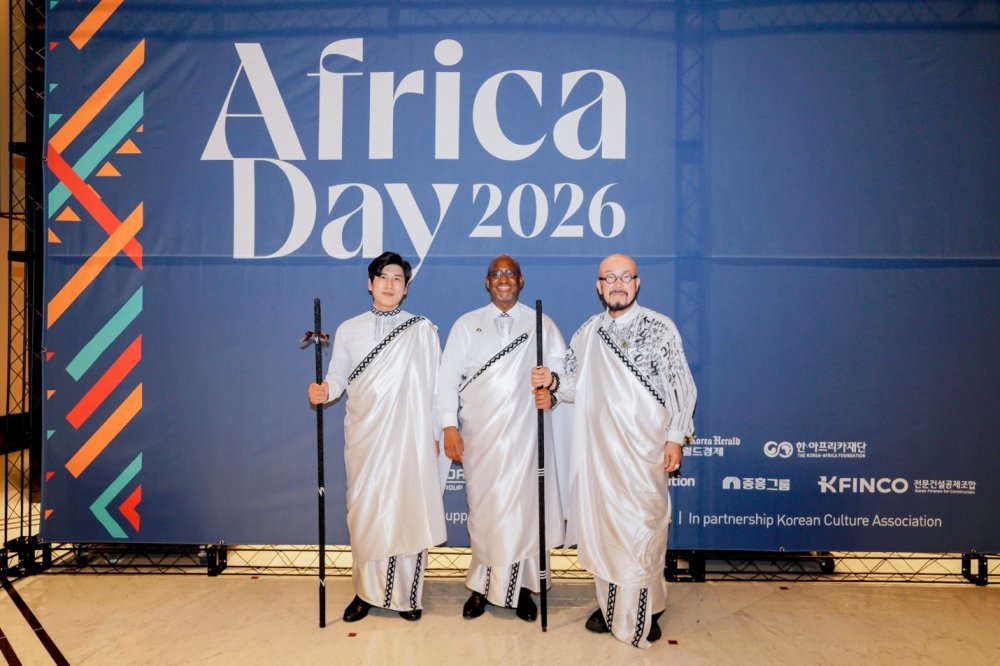
He said the event also provides African countries in Korea with an opportunity to present the continent as “a place of diversity, creativity, opportunity and strategic importance,” rather than through fragmented or outdated narratives.
Highlighting South Korea’s own development journey, Nkubito said many African countries view Korea as an inspiring example of economic transformation and resilience.
“Korea’s remarkable journey from an aid recipient to a leading global economy demonstrates the transformative impact of investment in education, technology, industrialization and human capital,” he said.
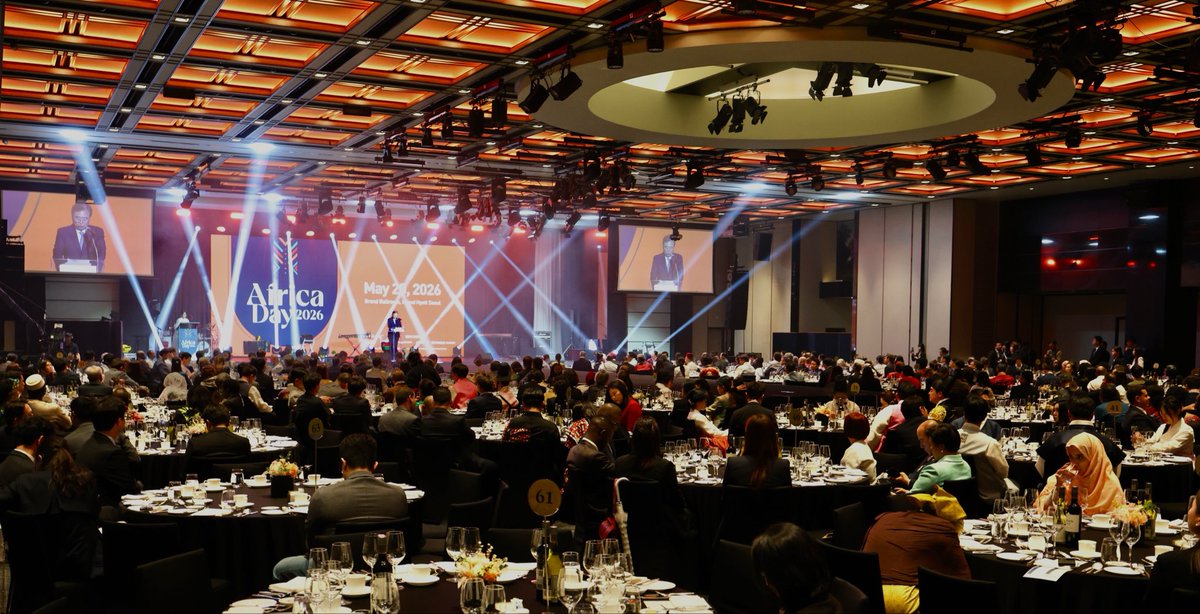
Asked why this year’s celebration carried particular significance, Nkubito said Africa Day 2026 comes at a moment when Africa is increasingly emerging as a hub for renewable energy, digital transformation, innovation and future economic growth.
“This year’s edition reflects the growing maturity of Africa-Korea relations,” he said, “where cooperation increasingly extends beyond traditional diplomacy into culture, innovation, youth engagement and private-sector partnerships.”
Subscribe to view notification of our daily news
RwandaPodium © All Rights Reserved. Powered by nozatech.com